

Most CEOs start strong on LinkedIn. They update their profile, share a few posts, and see some early engagement. Then the activity fades. The problem is rarely the content itself. It is the lack of a system to sustain it. Visibility without process is like running a business without a plan: it might work for a while, but it will never scale.
If you have followed the earlier steps in this series, you already understand how to build authority online. A strong profile establishes credibility. A steady publishing rhythm builds familiarity.
Thoughtful content earns attention from the right audience. These steps form the foundation. But visibility is only the beginning. The real value comes when that visibility translates into tangible opportunities: speaking invitations, new partnerships, inbound leads, and the kind of professional reputation that opens doors before you walk through them.
To reach that point, you need more than creativity. You need consistency. And consistency requires a system. You need to master LinkedIn management in Bangkok.
Leadership, Not Logistics: Building a Support Structure
The biggest mistake made with CEO branding is trying to do everything themselves. They brainstorm ideas, write drafts, choose visuals, and upload posts between meetings. It works for a few weeks, but it never lasts. The reason is simple: your role as a leader is to set the vision, not to manage the logistics of content creation.
Your time is best spent identifying what you want to be known for, clarifying the message you want to deliver, and making sure it aligns with your business goals. Once that direction is clear, execution should happen without your daily involvement. Thought leadership works best when it is driven by your ideas but supported by a team that handles the mechanics.
The most effective CEOs treat thought leadership like a business function, not an afterthought. They build a small structure around themselves to ensure consistency. It can be as simple as having an assistant coordinate publishing, a strategist align topics with commercial goals, and a creative partner produce high-quality posts or videos. This combination keeps your ideas flowing into the market even when your schedule is full.
Some CEOs build this structure internally. Others prefer to outsource it to a CEO branding or Linkedin management agency in Bangkok who already understands how to manage tone, consistency, and performance.
At Lexicon, we work with business leaders across Thailand and Southeast Asia to design and run these systems, helping them stay visible, relevant, and consistent week after week. Whether you do it with your own team or with a partner, the principle is the same: thought leadership only works if it runs on a reliable process.
This is true with all aspects of a communications strategy. You need to have your annual Big Idea, your quarterly or monthly themes and your weekly thought pillars. Simple posts don’t take long to produce, but your high value white paper writing or Bangkok video production need more planning and lead time. You will need to book time at the best podcast studio, give notes to your ghost writer and also sign off on the final product. Worth it. But does require some forward planning.
Turning Consistency Into Opportunity
When your system is in place, the impact compounds. Your posts begin to feel familiar to your audience. People you have never met start referencing your content in meetings. You receive invitations to speak at events or contribute to media pieces because you are already seen as a credible voice in your field. Clients approach you warmer, already trusting your expertise before a formal conversation begins.
That momentum does not come from algorithms or luck. It comes from repetition. When you show up consistently with clarity and value, the right people take notice: and they remember you.
The CEO’s Next Move
Thought leadership is not just a marketing project. It is a leadership initiative. It is how you communicate your vision, values, and expertise at scale. The key is to approach it strategically: define your message, set clear expectations for frequency and tone, and surround yourself with people who can make it happen.
As a CEO, your responsibility is not to post more often but to lead more clearly. Set the vision, own the voice, and ensure your presence online reflects the quality of your leadership offline. Once that structure is in place, LinkedIn becomes more than a platform. It becomes a pipeline of visibility, credibility, and opportunity.
Need help getting started? Lexicon partners with CEOs to build and manage these systems, ensuring their ideas reach the right audiences consistently. Whether you manage it internally or with external support, the most important step is the first one: commit to showing up every week with something worth saying.
About the Author
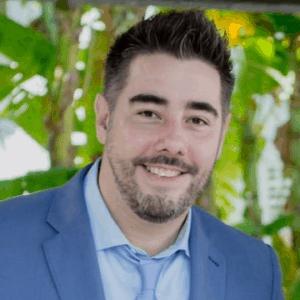
David Norcross is an award-winning LinkedIn & marketing & Executive Branding expert with over 15 years of experience in the industry and over 20,000 followers on LinkedIn. He’s the founder and CEO of Lexicon as well as the Chairman of the British Chamber of Commerce in Thailand Marketing & Communications Committee.
Lexicon is an award-winning brand storytelling agency focusing on telling impactful stories for clients based in Thailand and South East Asia. Specializing in LinkedIn management, podcast studio and video production in Bangkok.





 English