
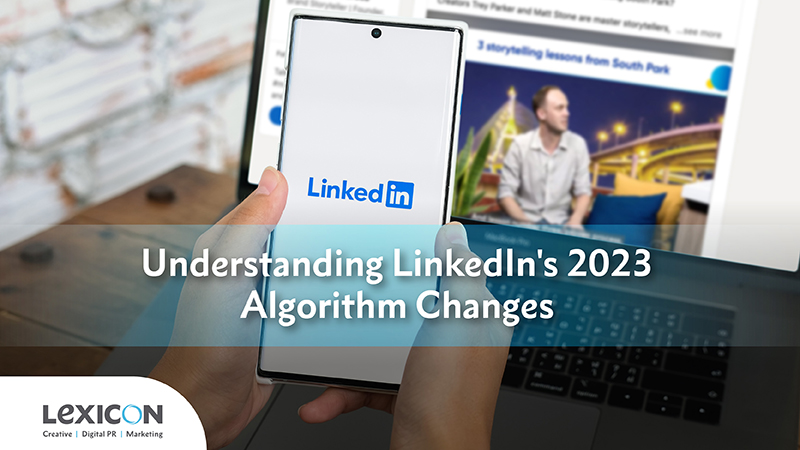
LinkedIn’s editor in chief, Dan Roth, recently gave an interview to entrepreneur.com in which he provided many updates on how the LinkedIn algorithm works and the changes we’ll be seeing from July 2023 onwards.
I’ve got around 25,000 LinkedIn connections and Lexicon does LinkedIn management and executive brand management for dozens of organizations in Bangkok. As such, clients often ask what makes for good content on LinkedIn.
I have always said the same thing: Focus on guiding your key target audience(s) with thought leadership content designed to show your expertise – and don’t worry too much about going viral. The name of the game on LinkedIn is to be a thought leader to your core niche target audience – that’s all that ultimately matters. At the same time, I have often half jokingly added that “if you want to go viral, you should post a picture of a puppy”.
Well, it seems LinkedIn is finally in the process of rectifying the great puppy vs Thought Leaders imbalance by restricting the virality of irrelevant content and focusing instead on serving specific audiences with helpful thought leadership content.
“When things go viral on LinkedIn, usually that’s a sign to us that we need to look into this, because that’s not celebrated internally,” says Dan Roth.
Post Pandemic: New Normals
LinkedIn experienced rapid growth during the pandemic with a 42% year-on-year increase in content shared between 2021 and 2023. As of today, the platform has 259,200 new members joining every day.
However, during the pandemic – with people trapped in their homes – content inevitably got quite personal. Given that we were all in the same (pandemic-powered) boat, our empathy for these types of posts caused an imbalance in the algorithm, which created a vicious cycle where people started to create more personal content, which the algorithm rewarded based on previous pandemic-era norms.
That’s why we’ve seen an increasing Facebookization of LinkedIn over recent years with annoying clickbait posts, childish memes and thirst traps aplenty.
The right content for the right audience
Moving forward, LinkedIn is now going to favor content which provides ‘knowledge and advice’ with a preference for showing content to first degree connections.
“The way I like to think about it,” Roth says, “is that every piece of content has its own total addressable market. And you have to think about, well, who am I trying to reach with this thing?”
For this reason, it’s going to be even more important to focus on growing your LinkedIn connections with people from your relevant target audience. So if you are a digital marketing agency, focus on speaking to CEOs and marketing directors; if you are a recruitment company, focus on speaking to HR departments and hiring managers as your content is (or at least should be) designed to focus on helping these people succeed.
But you can no longer garner hundreds of likes with puppy pictures, what should you do?
That’s where content strategy comes in.
As the leading LinkedIn management agency in Bangkok, Lexicon has recently written a white paper outlining social media in Thailand in 2023; and separate articles on LinkedIn best practice and the 95:5 rule.
Those articles provide a blueprint for success with this new algorithm, but I’ll summarize the key takeaways below:
- Identify your target audience by demographics (job title, industry, location) and connect to as many of them as possible through your personal LinkedIn account.
- Personal LinkedIn accounts are generally better than business accounts for reach and engagement. Both types of account should be part of your content strategy.
- Develop a strong content strategy with annual/quarterly/monthly themes and content pillars.
- Focus heavily on thought leadership content: white papers, blogs, videos, presentations, infographics.
- For videos, host longform content on YouTube and select short 30-90 second snippets to be used on LinkedIn. If you need some help, we can recommend this video production agency in Bangkok.
- Keep track of your key numbers each month so you can measure your progress: new followers, posts, reach, engagement and direct enquiries.
In short, be a thought leader to your followers by providing helpful guidance on topics relating to your area of expertise. The goal is not to reach 10 million people, but rather to engage with actual potential customers who are genuinely interested in your product or service.
In the entrepreneur.com article, Roth reiterates that LinkedIn will no longer reward virality stating that they want users to think differently. Instead of just reaching lots of people, they want LinkedIn users to focus on reaching the right people.
Conclusions
In summary, there are two key takeaways from these algorithm changes. Firstly, you need to purposefully curate your network on LinkedIn, ensuring that it revolves around providing thought leadership to a specific audience. You don’t need to accept every random connection request that comes your way, but instead, actively and intentionally build a focused network. Secondly, you need to align your posting efforts on LinkedIn with your own areas of expertise, attracting the engagement and involvement of individuals who share a similar interest in those specific domains.
If you need some help getting started, follow the Lexicon blog for regular updates on all things B2B marketing and get in touch with us if you need some help developing your LinkedIn marketing strategy.
About the Author
David Norcross is an award-winning LinkedIn marketing & Executive Branding expert with over 15 years of experience in the industry and over 20,000 followers on LinkedIn. He’s the founder and CEO of Lexicon as well as the Chairman of the British Chamber of Commerce in Thailand Marketing & Communications Committee.
Lexicon is an award-winning brand storytelling agency focusing on telling impactful stories for clients based in Thailand and South East Asia.





 English